
The Glycophorin A / CD235a (GYPA) protein is a major sialoglycoprotein found on the surface of erythrocytes (red blood cells). It plays a critical role in erythrocyte membrane stability, antigenicity, and interaction with other cellular components. The Glycophorin A / CD235a antibody is a vital reagent for researchers investigating erythropoiesis, blood disorders, and transfusion medicine.

Overview of Glycophorin A (CD235a)
Glycophorin A (encoded by the GYPA gene) is a transmembrane glycoprotein that defines the MN and Ss blood group systems. Its high sialic acid content imparts a negative charge to erythrocyte surfaces, which is critical for their anti-adhesive properties. The protein also serves as a receptor for certain pathogens, including the Plasmodium falciparum malaria parasite (NCBI, NIH).
Applications of Glycophorin A / CD235a Antibody
- Hematological Research: Essential for studying erythropoiesis, anemia, and hematological malignancies (NIDDK, PubMed).
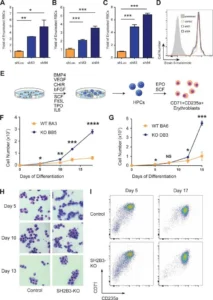
- Flow Cytometry: Widely used to identify and enumerate erythrocytes and erythroid progenitors in mixed cell populations (NIH).
- Blood Typing and Transfusion Medicine: Enables detection of blood group antigens, improving compatibility assessments (FDA, NHLBI).
- Pathogen Interaction Studies: Investigates the role of Glycophorin A in microbial adherence and immune evasion (CDC, WHO).
Features of the Antibody
- High Specificity: Specifically binds to Glycophorin A, ensuring minimal cross-reactivity.
- Wide Application: Validated for flow cytometry, immunofluorescence, Western blotting, and immunohistochemistry (NIH).
- Quantitative Accuracy: Suitable for precise quantification of erythroid cells in clinical and research settings (FDA).

Techniques Utilizing Glycophorin A / CD235a Antibody
- Flow Cytometry: Identifies erythrocytes and their progenitors in bone marrow and peripheral blood samples (NIH).
- Immunohistochemistry: Stains erythrocytes in tissue sections to investigate hematological disorders (PubMed).
- Western Blotting: Detects Glycophorin A protein in erythrocyte lysates (NIGMS).
Research Insights
- Erythropoiesis Studies: Glycophorin A serves as a key marker for tracing erythroid differentiation and maturation (NIDDK).
- Malaria Research: The protein is a receptor for Plasmodium falciparum, providing insights into malaria pathogenesis and potential therapeutic targets (CDC, NIH).
- Anemia and Hemoglobinopathies: Altered expression or mutations in Glycophorin A are associated with hereditary blood disorders (NHLBI).
Resources for Researchers
- Gene Databases: Explore the GYPA gene on GeneCards and Ensembl.
- Protein Interaction Maps: Investigate Glycophorin A networks on STRING.
- Research Protocols: Access detailed protocols for antibody usage at NIH and NIGMS.
Conclusion
The Glycophorin A / CD235a antibody is a powerful tool for research in hematology, immunology, and infectious diseases. By enabling the precise identification and quantification of erythrocytes and their precursors, it facilitates discoveries in blood biology and related fields. Its versatility in a wide range of applications, from flow cytometry to immunohistochemistry, underscores its value in both basic and applied research.
For additional information, consult these resources:
Employing the Glycophorin A / CD235a antibody in your research will enhance your understanding of erythrocyte biology and its implications in health and disease.